






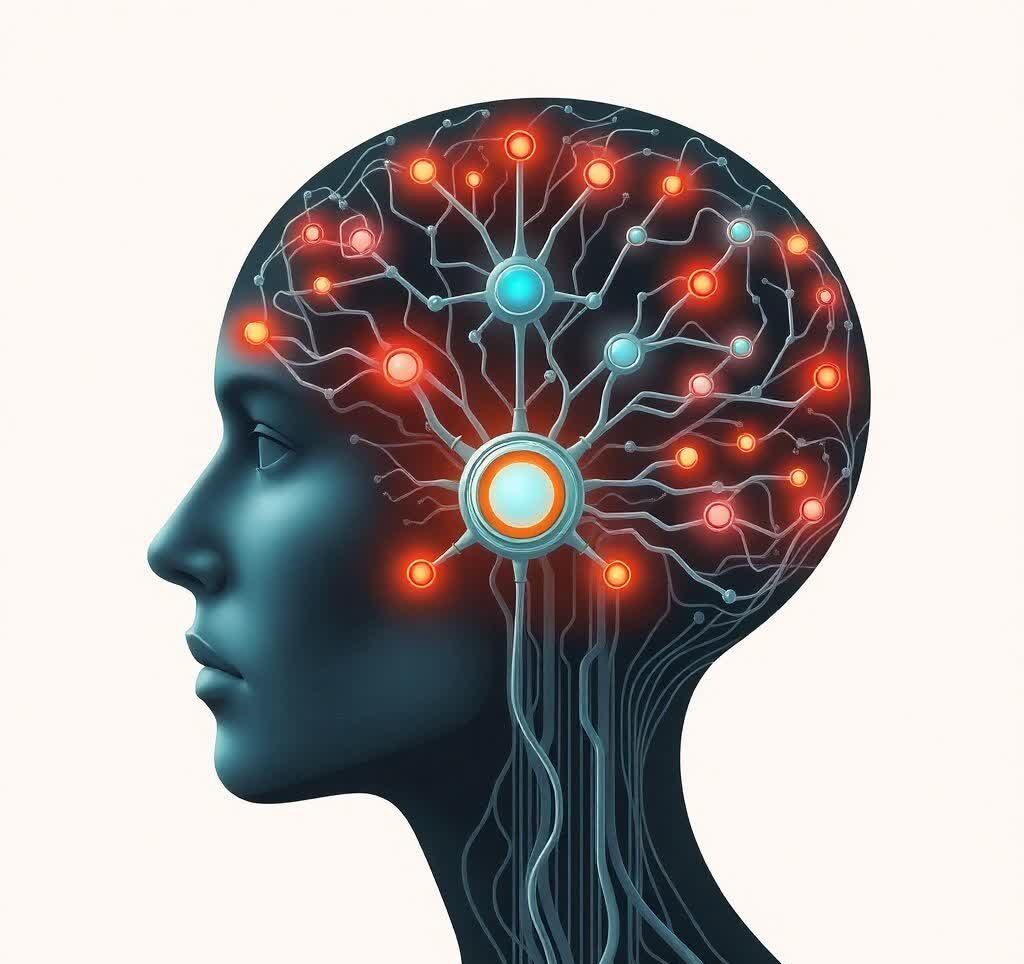
Neuromorphic computing, an innovative field inspired by the human brain’s architecture and functionality, is poised to revolutionize various sectors, including defense. The Defense Advanced Research Projects Agency (DARPA) is at the forefront of integrating these brain-inspired computing systems with human enhancement technologies to augment military personnel’s cognitive and physical capabilities. This convergence raises significant ethical considerations regarding cognitive augmentation in military contexts.pmc.ncbi.nlm.nih.gov+2en.wikipedia.org+2
Neuromorphic Computing: Emulating the Human Brain
Neuromorphic computing involves designing computer systems that emulate the neural structure and operation of the human brain. By replicating neuronal architectures, these systems aim to achieve superior energy efficiency and processing capabilities compared to traditional computing methods. This approach holds promise for advancing artificial intelligence by creating hardware that operates more like biological neural networks. pmc.ncbi.nlm.nih.gov+2en.wikipetechtarget.com+3
DARPA’s Initiatives in Brain-Inspired Computing
DARPA has been instrumental in pioneering research that integrates neuromorphic computing with human enhancement technologies. Through initiatives like the Brain Initiative, DARPA seeks to develop advanced computing systems that can seamlessly interface with the human nervous system. These efforts aim to enhance cognitive functions, improve decision-making processes, and increase overall mission effectiveness for military personnel.
darpa.milHuman Enhancement Technologies in the Military
Beyond computing systems, DARPA explores various human enhancement technologies designed to augment soldiers’ physical and cognitive abilities. These enhancements include neural implants that could potentially improve memory, learning speed, and sensory perception. The goal is to create warfighters who are more resilient, aware, and capable in complex operational environments.
Ethical Considerations of Cognitive Augmentation
The prospect of augmenting human cognition, especially within military settings, raises profound ethical questions:
- Autonomy and Consent: Ensuring that military personnel fully understand and voluntarily consent to cognitive enhancements is crucial.
- Identity and Personhood: Modifying cognitive functions may alter an individual’s sense of self, leading to philosophical debates about personal identity.
- Long-Term Effects: The long-term implications of neural enhancements are not yet fully understood, necessitating cautious consideration.
- Societal Impact: Widespread use of cognitive enhancements could lead to societal disparities and necessitate new legal and ethical frameworks.
Addressing these concerns requires comprehensive ethical guidelines and policies to ensure that technological advancements align with societal values and respect individual rights.
Conclusion
DARPA’s exploration into neuromorphic computing and human enhancement technologies represents a significant leap toward integrating advanced computing with human physiology. While these innovations hold the potential to transform military operations, they also necessitate careful ethical scrutiny to balance technological progress with respect for human dignity and ethical principles.