





The Giza Plateau Yields a Monumental Surprise
A groundbreaking revelation beneath the Kafre pyramid has electrified both the archaeological community and the alternative history world. Using advanced synthetic aperture radar (SAR) technology, researchers Curado Malanga, Armando Mei, Filipo Bondi, and Nicole Chico have revealed high-resolution images of vast underground structures. These formations, long speculated about, are now finally visible to modern science.
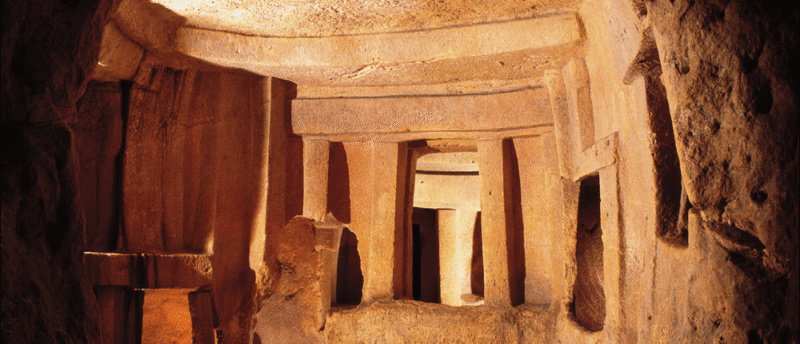
The scale and symmetry of these subterranean voids directly challenge the longstanding academic narrative. They appear to mirror accounts described in ancient myths and oral traditions, suggesting the presence of chambers or halls far beneath the Giza Plateau. This aligns with theories that Egypt’s architectural marvels may extend far deeper than the visible stonework above.
Herodotus and the Lost Subterranean Nile Channels
Herodotus, writing in the 5th century BCE, may have been closer to the truth than previously acknowledged. In his seminal work, Histories, he claimed that King Khufu (Kheops) was interred in an underground chamber, fed by channels from the Nile.
He described an elaborate system of water conduits running beneath the pyramid, creating a sacred space guarded by symbolic, perhaps literal, barriers. While mainstream Egyptology has treated Herodotus’ account with skepticism, largely due to the absence of physical evidence, this new SAR data breathes life back into his descriptions.
Is it possible the early priests who informed Herodotus had access to knowledge now lost or deliberately obscured? These findings demand a renewed investigation.
The Pyramid Texts: Symbolic Journeys or Literal Maps?
Texts like the Pyramid Texts, Coffin Texts, and Book of the Dead offer unparalleled insight into ancient Egyptian cosmology. While these are often interpreted as spiritual guides for the soul’s journey, they also contain rich descriptions of the Duat (the underworld), guarded gateways, and divine architecture.
Though traditionally considered metaphysical, the descriptions of labyrinthine corridors and spiritual tests could be reinterpretations of actual, lost underground infrastructure. The idea that sacred texts encoded literal geographical or structural information is gaining traction in fringe archaeology, and deserves re-evaluation in light of these new findings.
The Tulli Papyrus: Circles of Fire in the Sky
Discovered under controversial circumstances, the Tulli Papyrus describes what some believe to be a fleet of flying discs encountered by Pharaoh Thutmose III around 1480 BCE. These “circles of fire” reportedly flew across the skies for multiple days, emitting foul odors and instilling widespread panic.
Although the original papyrus has vanished, existing only in copies made by Vatican curator Alberto Tulli, its description of aerial phenomena predating modern flight by thousands of years is difficult to ignore. If genuine, the Tulli Papyrus offers a potential window into ancient contact with advanced intelligence.
The Sabu Disc: Evidence of Forgotten Aerodynamics?
The Sabu Disc, unearthed in 1936 by Walter Bryan Emery, continues to baffle engineers and archaeologists. Crafted from schist and measuring 61 cm in diameter, the disc features three symmetrical lobes and a central hub, bearing uncanny resemblance to modern impeller designs or gyroscopic rotors.
Experiments using 3D-printed models at institutions like Airbus have revealed the disc’s potential to generate lift when spun. Was this a ritual object, a symbolic item, or an example of aerodynamic experimentation? Its function remains unresolved, but its sophistication is undeniable.
A Mummy Sealed in Mud: Ritual Innovation or Class Divide?
CT scans of a lesser-known mummy dating to circa 1200 BCE revealed an unexpected layer of hardened mud beneath traditional linen wrappings. Far from an improvised measure, this mudshell appeared intentional, possibly a poor man’s mimicry of elite mummification using expensive imported resin.
Interestingly, parts of the face show pigment traces, suggesting attempts to replicate elite burial masks. This single body challenges assumptions about funerary class divisions and introduces a new form of burial, perhaps unique, or perhaps the first discovered example of a wider, undocumented practice.
Rewriting Egyptology: Integration or Suppression?
With mounting physical evidence, from deep radar imaging beneath Kafre to anomalous aerial reports and undeciphered artifacts, the narrative of ancient Egypt may be more complex than previously allowed by institutional orthodoxy.
These discoveries push us toward a pivotal choice: to integrate these anomalies into a new synthesis of history, or to continue suppressing what doesn’t fit the linear, orthodox model of civilization’s development.
Are we standing at the edge of a reawakening, where history, myth, and contact narratives converge?