







Introduction
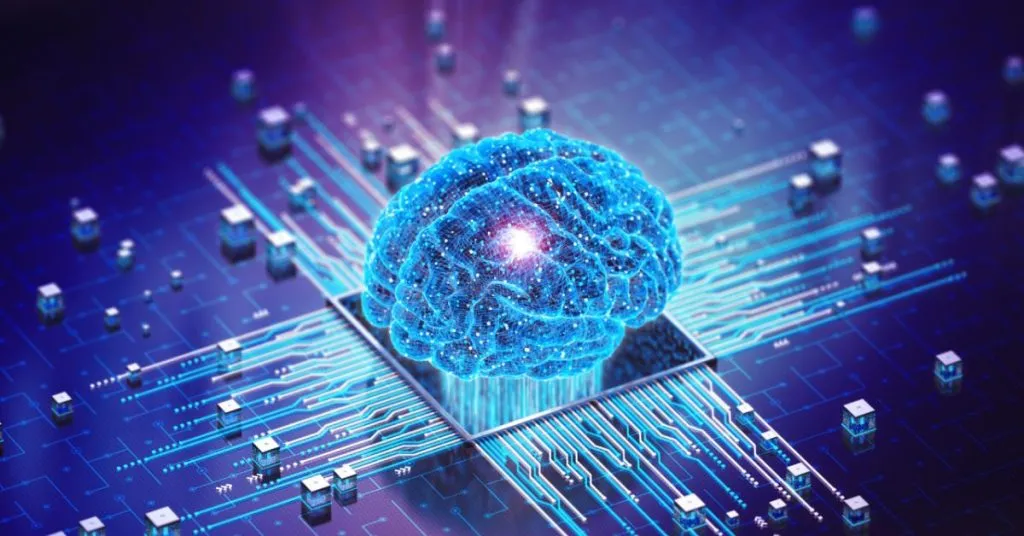
Chinese researchers have achieved a groundbreaking milestone in artificial intelligence by developing a robot powered by a lab-grown artificial brain using human stem cells. This revolutionary brain-on-chip technology allows the robot to perform complex tasks like obstacle avoidance and object grasping with unprecedented adaptability. The integration of biological neurons with electronic systems represents a paradigm shift in how we approach artificial intelligence, potentially bridging the gap between machine learning algorithms and human-like cognition. As this cutting-edge field continues to evolve, the implications extend far beyond robotics, promising to advance brain-computer interfaces, hybrid human-robot intelligence, and personalized medicine in ways previously confined to science fiction.
Table of Contents

The Revolutionary Breakthrough in Brain-on-Chip Technology
The recent achievement by researchers at Tianjin University marks a watershed moment in the integration of biological and artificial intelligence. By successfully developing a robot powered by a lab-grown brain derived from human stem cells, these scientists have demonstrated that biological neural networks can effectively control robotic systems. This brain-on-chip technology enables the robot to perform complex tasks that typically require advanced programming and machine learning algorithms, but with the adaptability and learning capabilities inherent to biological systems.

What makes this development particularly revolutionary is the successful integration of living neurons with electronic circuits, a challenge that has stymied researchers for decades. The team’s approach overcomes fundamental compatibility issues between biological systems and electronic components, creating a functional interface that allows for bidirectional communication between the lab-grown brain and the robot’s mechanical systems.
Understanding Neural Organoids: The Science Behind Brain-on-Chip Technology
At the core of this breakthrough lies the development of brain organoids, small clusters of brain-like tissue formed from human stem cells. These three-dimensional structures self-organize to mimic the architecture and functionality of specific regions of the human brain, providing a biological substrate for neural activity. Unlike traditional computer chips that process information through fixed electronic pathways, these organoids process information through dynamic neural networks that can adapt and reorganize based on experience.

The science behind neural organoids involves careful cultivation of stem cells under specific conditions that encourage them to differentiate into various types of brain cells, including neurons and glial cells. These cells then form connections, creating functional neural circuits capable of generating electrical activity patterns similar to those observed in actual brain tissue. This biological approach to information processing offers distinct advantages over silicon-based computing, particularly for tasks involving pattern recognition, adaptation to novel situations, and learning from limited examples.
The Technical Architecture of Integrating Biological Neurons with Electronic Systems
Creating a functional brain-on-chip system requires sophisticated technical solutions to bridge the gap between biological neurons and electronic circuits. The researchers developed a specialized microelectrode array (MEA) platform that serves as the interface between the neural organoids and the electronic components of the robot. This platform consists of thousands of tiny electrodes capable of both recording the electrical activity of neurons and stimulating them with precise electrical signals.
The integration architecture includes several key components: a nutrient delivery system that maintains the viability of the neural tissue, temperature regulation mechanisms to ensure optimal neural function, and signal processing algorithms that translate the complex patterns of neural activity into commands for the robot’s actuators. Additionally, the system incorporates feedback mechanisms that allow the robot’s sensors to send information back to the neural organoids, creating a closed-loop system where the biological neurons can “learn” from the robot’s interactions with its environment.
Key Performance Capabilities: What the Brain-on-Chip Robot Can Do
The brain-on-chip-powered robot has demonstrated remarkable capabilities that highlight the potential of this hybrid biological-electronic approach. Most notably, the robot can navigate complex environments, avoiding obstacles through real-time processing of sensory information by the neural organoids. This ability to adapt to unexpected obstacles represents a significant advantage over traditional algorithms, which typically require extensive pre-programming for various scenarios.
Beyond navigation, the robot has shown proficiency in object grasping and manipulation, skills that require precise coordination between sensory input and motor output. The biological neural networks appear particularly adept at developing these sensorimotor skills through experience, improving performance over time without explicit reprogramming. This learning capability extends to pattern recognition tasks, where the system demonstrates an ability to categorize objects based on visual characteristics, learning from a relatively small number of examples compared to conventional deep learning approaches.
Comparing Brain-on-Chip Technology with Traditional AI Approaches
The fundamental difference between brain-on-chip technology and traditional AI approaches lies in their information processing architecture. Conventional AI relies on digital algorithms running on silicon processors, using mathematical models like neural networks that were inspired by, but functionally distinct from, biological brains. These systems excel at specific tasks for which they’ve been trained but often struggle with generalization and require enormous datasets and computational resources.
In contrast, brain-on-chip technology leverages actual biological information processing, which inherently possesses characteristics that engineers have long sought to replicate in AI: extreme energy efficiency, ability to learn from few examples, and graceful degradation rather than catastrophic failure when damaged. The neural organoids process information in parallel through complex electrochemical signaling, creating emergent properties that are difficult to achieve in digital systems. While traditional AI may currently outperform biological systems in specific benchmarks, the adaptability and efficiency of brain-on-chip technology suggest a promising complementary approach to artificial intelligence.
The Challenge of Maintaining Viable Neurons in Artificial Environments
One of the most significant challenges in brain-on-chip technology is preserving the viability of neurons in artificial environments. Neurons are remarkably delicate cells that require precise conditions to function optimally, including specific temperature ranges, pH levels, oxygen content, and a continuous supply of nutrients. Creating and maintaining these conditions outside of a living organism represents a formidable bioengineering challenge.
The researchers addressed this challenge through the development of advanced microfluidic systems that continuously circulate nutrient-rich media through the neural organoids. These systems must provide not only basic nutrition but also growth factors and signaling molecules that promote neuronal health and synaptic development. Additionally, the environment must be sterile to prevent microbial contamination while still allowing for gas exchange. The successful long-term maintenance of viable neurons outside of their natural environment represents a significant technical achievement that has implications far beyond robotics, potentially benefiting fields like drug discovery and personalized medicine.
Bridging Biological and Electronic Information Processing
Creating an effective interface between biological neurons and electronic components requires solving the fundamental problem of translating between two radically different information processing paradigms. Neurons communicate through complex electrochemical signals, with information encoded in the timing, frequency, and pattern of action potentials as well as through molecular signaling pathways. Electronic systems, in contrast, typically process information through the flow of electrons in discrete digital states.
The researchers developed sophisticated signal processing algorithms and interface hardware to bridge this gap. Microelectrode arrays detect the subtle electrical changes associated with neuronal activity, amplify these signals, and convert them into digital format for further processing. In the reverse direction, electrical stimulation patterns are carefully calibrated to communicate information to the neural organoids in ways that can be “interpreted” by the biological tissue. This bidirectional communication protocol, refined through extensive experimentation, enables meaningful information exchange between the biological and electronic components of the system.
Ethical Implications of Using Human-Derived Neural Tissue in Robots
The use of human stem cells to create neural organoids for robotics raises profound ethical questions that extend beyond typical concerns about artificial intelligence. Chief among these is the question of whether neural organoids might develop some form of consciousness or sentience as they grow more complex. Although current organoids are far simpler than a human brain, they do represent actual human neural tissue with functional connections.
Additional ethical considerations include questions about consent for the use of human biological materials, potential exploitation of stem cell donors, and broader societal implications of creating machines that blur the boundary between biological and artificial life. The researchers emphasize their commitment to responsible innovation, including careful oversight from ethics committees and transparency about their methods and findings. As the field advances, these ethical discussions will need to evolve alongside the technology, potentially requiring new regulatory frameworks specific to bio-hybrid systems.
Future Applications in Medicine and Personalized Neural Interfaces
One of the most promising applications of brain-on-chip technology extends beyond robotics into medicine, particularly for treating neurological disorders. By creating neural organoids from a patient’s own stem cells, researchers could develop personalized models of neurological conditions like Alzheimer’s disease, Parkinson’s disease, or epilepsy. These models would allow for testing potential treatments on tissue that matches the patient’s genetic makeup, potentially revolutionizing drug development and personalized medicine approaches.
The technology also holds tremendous potential for advanced neural prosthetics and brain-computer interfaces. Current neural interfaces face significant challenges with long-term stability and biocompatibility. Brain-on-chip technology could provide an intermediary layer between electronic devices and the human nervous system, potentially improving signal processing and reducing immune responses to implanted devices. Such advances could dramatically improve the functionality of neural prosthetics for individuals with paralysis, sensory impairments, or communication disorders.
Global Research Landscape: Who’s Leading in Brain-on-Chip Development
While this particular breakthrough comes from researchers at Tianjin University in China, the field of brain-on-chip technology represents a global research effort with significant contributions from institutions across North America, Europe, and Asia. The United States has strong research programs at universities like Stanford, MIT, and Harvard, often focusing on applications for neurological disease modeling and drug testing. European research clusters, particularly in Switzerland, Germany, and the Netherlands, have made notable advances in microelectrode array technology and biocompatible materials.
The competitive landscape is not limited to academic institutions; private companies are increasingly entering this space, recognizing the commercial potential of brain-on-chip technology. Several startups specifically focused on neural organoids for drug discovery have secured substantial funding, while major technology companies with interests in brain-computer interfaces are monitoring developments closely. This global distribution of research efforts suggests that brain-on-chip technology will continue to advance rapidly, with innovations emerging from multiple centers of excellence worldwide.
Addressing the Risks and Limitations of Current Brain-on-Chip Systems
Despite the remarkable progress, current brain-on-chip technology faces several significant limitations. The neural organoids used in these systems are still relatively simple compared to actual brain tissue, lacking the structural complexity and regional specialization of a complete brain. This simplicity limits the range of cognitive functions they can support and the complexity of tasks they can perform. Additionally, the long-term stability of these systems remains a challenge, with neural viability typically declining over weeks or months.
Technical risks include potential instability in the biological component, challenges in scaling up to more complex neural networks, and difficulties in achieving consistent performance across different organoid samples. From a broader perspective, there are also concerns about the potential misuse of this technology, particularly if it were adapted for autonomous weapons systems or invasive surveillance applications. Addressing these limitations and risks requires ongoing research in tissue engineering, biocompatible materials, and ethical governance frameworks specific to bio-hybrid systems.
The Role of Supporting Technologies in Advancing Brain-on-Chip Innovation
The development of brain-on-chip technology relies heavily on advances in several supporting technologies. Microfluidics plays a crucial role in maintaining neuronal health by facilitating the precise delivery of nutrients and removal of waste products. Advanced imaging techniques allow researchers to monitor neural activity and structural development in real-time, providing insights into the functioning of the biological component. Materials science contributes through the development of biocompatible substrates and electrodes that minimize damage to delicate neural tissue.
Computational modeling also plays a vital role, helping researchers predict how neural networks might respond to different stimuli and how to optimize the interface between biological and electronic components. As quantum computing advances, it may offer new approaches to decoding the complex patterns of neural activity generated by the organoids. These supporting technologies create a rich innovation ecosystem around brain-on-chip development, with advances in any one area potentially catalyzing progress across the entire field.
International Regulatory Frameworks and Ethical Guidelines
The emerging field of brain-on-chip technology operates at the intersection of several regulatory domains, including stem cell research, medical device development, and artificial intelligence. Currently, no comprehensive international framework specifically addresses the unique challenges posed by bio-hybrid systems. Instead, researchers must navigate a patchwork of regulations concerning human biological materials, laboratory safety, and ethical research practices.
Several international organizations, including the International Society for Stem Cell Research and the IEEE Standards Association, have begun developing guidelines specific to neural organoids and brain-computer interfaces. These guidelines typically emphasize transparency in research methods, careful consideration of potential sentience in neural systems, and appropriate consent procedures for biological donors. As the technology advances, more comprehensive regulatory frameworks will likely emerge, potentially requiring specialized oversight committees with expertise spanning neuroscience, bioethics, and artificial intelligence.
Chronological Timeline of Key Developments in Brain-on-Chip Technology
- 1952: Hodgkin and Huxley develop the first mathematical model of neural action potentials, laying the theoretical groundwork for understanding neural information processing
- 1972: First successful culture of dissociated neurons on a planar microelectrode array by Thomas Jr. and colleagues
- 1993: Development of the first long-term stable microelectrode array for recording from cultured neurons
- 2008: First demonstration of human induced pluripotent stem cells (iPSCs), providing an ethical source of human neural tissue
- 2013: First cerebral organoids developed from human stem cells by Lancaster and colleagues
- 2017: First successful integration of neural organoids with microelectrode arrays for long-term recording
- 2020: Development of three-dimensional microelectrode arrays for improved interaction with neural organoids
- 2022: First demonstration of neural organoids controlling simple external devices
- 2025: Chinese researchers achieve robot control using lab-grown artificial brain derived from human stem cells
Technical Glossary of Brain-on-Chip Terminology
- Neural Organoid: Three-dimensional culture of neural tissue derived from stem cells that self-organizes to form brain-like structures
- Microelectrode Array (MEA): Device containing multiple electrodes for recording from or stimulating multiple sites in neural tissue
- Induced Pluripotent Stem Cells (iPSCs): Adult cells reprogrammed to an embryonic stem cell-like state, capable of differentiating into various cell types
- Brain-Computer Interface (BCI): System enabling direct communication between a brain and an external device
- Microfluidics: Technology for precise manipulation of small volumes of fluids, used in brain-on-chip systems for nutrient delivery
- Neural Plasticity: Ability of neural networks to change their connectivity and behavior based on experience
- Hybrid Human-Robot Intelligence: Systems combining biological neural components with traditional robotics and AI
- Electrophysiology: Study of the electrical properties of biological cells and tissues
- Neurorobotics: Field focusing on the integration of neural systems with robotic platforms
- Biocompatible Materials: Materials that do not provoke an adverse response when in contact with living tissue
Frequently Asked Questions About Brain-on-Chip Technology
How does a brain-on-chip system differ from traditional artificial intelligence?
Traditional AI relies on silicon-based hardware running algorithms that mathematically simulate aspects of neural function. In contrast, brain-on-chip technology uses actual biological neurons grown from stem cells, incorporating the intrinsic complexity and adaptability of living neural networks. These biological systems process information through electrochemical signaling rather than digital computation, potentially offering advantages in energy efficiency, adaptability, and learning from limited examples.
Could brain-on-chip systems develop consciousness or sentience?
Current brain-on-chip systems use neural organoids that are significantly simpler than a complete brain, lacking the structural complexity and integrated processing thought necessary for consciousness. However, as the technology advances, more complex neural networks could potentially develop properties that resemble aspects of consciousness. This possibility underscores the importance of ethical oversight and responsible research practices in this field.
What are the primary applications of brain-on-chip technology beyond robotics?
Beyond robotics, brain-on-chip technology shows promise for personalized medicine approaches to neurological disorders, allowing researchers to test treatments on neural tissue matching a patient’s genetic profile. The technology could also advance brain-computer interfaces for individuals with paralysis or communication disorders, improve drug screening processes, and provide new platforms for studying brain development and function.
How are the neurons kept alive in brain-on-chip systems?
Maintaining viable neurons requires sophisticated microfluidic systems that continuously circulate nutrient media containing glucose, amino acids, vitamins, and growth factors. These systems also regulate temperature, pH, and oxygen levels while preventing microbial contamination. The microenvironment mimics aspects of the natural brain environment, including supporting cells like astrocytes that help maintain neuronal health.
What ethical guidelines govern research using human neural organoids?
Research using human neural organoids typically follows guidelines established for stem cell research more broadly, including requirements for donor consent, review by institutional ethics committees, and restrictions on certain types of experimentation. As the field advances, specialized guidelines addressing the unique considerations of brain-on-chip technology are emerging, with particular attention to questions about potential sentience and the appropriate use of human-derived neural tissue.
Conclusion: The Future of Biological-Electronic Integration in Intelligent Systems
The development of robots powered by lab-grown brains derived from human stem cells represents the beginning of a new chapter in the integration of biological and electronic systems. As brain-on-chip technology continues to advance, we can expect increasingly sophisticated bio-hybrid systems capable of tasks that leverage the complementary strengths of biological adaptation and electronic precision. This convergence has the potential to transform not only robotics and artificial intelligence but also our understanding of cognition itself.
The future trajectory of this field will likely involve the development of more complex neural organoids with specialized regional organization, improved interfaces between biological and electronic components, and advanced algorithms for interpreting and responding to patterns of neural activity. These developments could lead to robots with unprecedented adaptability and learning capabilities, personalized medical treatments for neurological disorders, and neural prosthetics that more seamlessly integrate with the human nervous system.
As we navigate this promising but ethically complex frontier, maintaining a balance between technological innovation and responsible governance will be essential. By thoughtfully addressing the unique challenges and opportunities presented by brain-on-chip technology, researchers and society can work together to harness the potential of this revolutionary approach while ensuring it develops in ways that benefit humanity.


